The Delicious Debate: Homemade vs. Store-Bought Almond Milk Quality
In recent years, almond milk has soared in popularity, becoming a staple in countless households as a dairy-free alternative. From lattes to cereals, its versatility is undeniable. But as we reach for that carton in the grocery aisle, a nagging question often arises: Is store-bought almond milk truly the best we can do? Or does making it yourself unlock a superior experience? The truth, as we'll explore, lies in a significant difference in quality, taste, and control, making a strong case for mastering your own
Your Guide to 10-Minute Homemade Almond Milk Bliss.
Unrivaled Taste and Texture: The Homemade Advantage
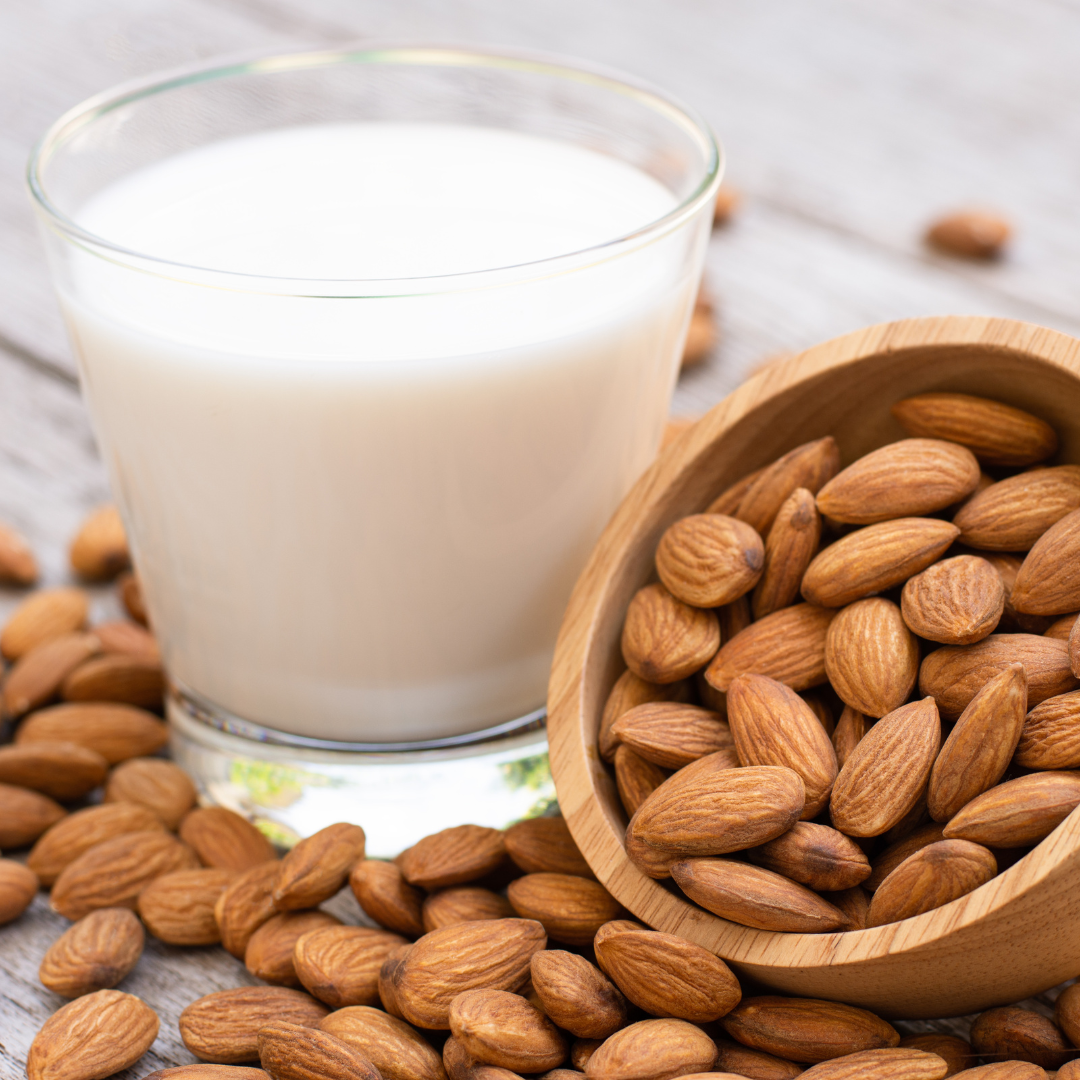
Imagine a tall glass of almond milk so rich, so creamy, it coats your palate with a delicate nutty essence, leaving a satisfyingly clean finish. This isn't a fantasy; it's the signature experience of freshly made almond milk. Store-bought versions, despite their convenience, simply cannot compete with the vibrant, nutty aroma and luxuriously creamy mouthfeel that a homemade
almond milk recipe delivers.
Why such a stark difference? The answer lies in freshness and simplicity. When you craft your own almond milk, the almonds are freshly blended, extracting their natural oils and flavors directly into the water. This results in a full-bodied beverage that tastes genuinely of almonds, without any artificial undertones or the watery consistency often associated with mass-produced options. The difference is akin to biting into a ripe, juicy peach versus drinking a generic peach-flavored soda – one is authentic, the other a pale imitation. This unparalleled taste and texture alone are often enough to convert skeptics into homemade almond milk enthusiasts.
Decoding the Ingredients: Purity vs. Preservatives
Perhaps the most compelling argument for making your own almond milk is the complete control you gain over its ingredients. A truly simple homemade
almond milk recipe requires just two core components: almonds and water, often with a pinch of sea salt to enhance the flavor. That's it. No mysterious thickeners, no industrial stabilizers, and certainly no artificial flavors.
Now, take a peek at the ingredient list on a typical store-bought carton. You'll likely find a longer roster, including items like gellan gum, carrageenan, sunflower lecithin, natural flavors, and a host of added vitamins and minerals. While some of these additives are benign, others like carrageenan have raised concerns in some health circles regarding potential digestive issues. These ingredients are primarily included to extend shelf life, prevent separation, and achieve a consistent (though often artificial) texture. By opting for a homemade
almond milk recipe, you sidestep these additives entirely, ensuring that what you're consuming is pure, wholesome, and free from anything you don't explicitly want. It's a foundational step towards cleaner eating and understanding exactly what fuels your body.
Customization and Versatility: Beyond Basic Almond Milk
One of the often-overlooked joys of making almond milk at home is the incredible freedom it offers for customization. Store-bought options typically limit you to "original," "unsweetened," or perhaps a vanilla variant. With a homemade
almond milk recipe, the possibilities are virtually endless.
Do you prefer it subtly sweet? Add a couple of dates, a drizzle of maple syrup, or a touch of honey during blending. Craving a hint of vanilla? A splash of pure vanilla extract transforms the taste. The adventurous cook can infuse their almond milk with cacao powder for a rich chocolate version, a dash of cinnamon for warmth, or even pumpkin spice for a seasonal treat. Imagine a coffee-flavored almond milk for your morning brew or a berry-infused version for your smoothie! You also have complete control over the thickness; want it richer for coffee? Use slightly more almonds. Prefer it thinner for cereal? Add a bit more water. This level of personalized flavor and consistency is simply impossible to achieve with pre-packaged options. For more inspired ideas, check out our guide on
Customize Your Creamy Almond Milk: Flavors Beyond Basic.
The Cost vs. Quality Conundrum: Is Homemade Cheaper?
A common misconception is that making almond milk at home will save you money. Surprisingly, the answer is often no, it's not inherently cheaper. High-quality raw almonds can be an investment, and when you factor in the cost per cup, it might sometimes edge out the price of a budget-friendly store-bought carton, especially if you consider sales or bulk purchases.
However, framing the decision purely on cost misses the fundamental point: the vast difference in quality. While you might not save pennies, you are making an invaluable investment in superior taste, purity, and nutritional value. You're paying for a product devoid of fillers, gums, and artificial flavors, which means you're getting more *almond* per serving. Think of it less as a cost-saving measure and more as an investment in a premium, health-conscious product that simply isn't available on shelves. The satisfaction and health benefits derived from a fresh, pure
almond milk recipe far outweigh any minor monetary difference.
Making Your Own: The Simplicity of an Almond Milk Recipe
The process of crafting your own almond milk might sound daunting, but it's surprisingly simple and requires minimal effort, especially with a high-speed blender. The true beauty of any good
almond milk recipe lies in its straightforward steps:
- Soak the Almonds: This crucial first step typically involves soaking raw almonds in cool water overnight, or for at least 8 hours. Soaking softens the almonds, making them easier to blend and creating a creamier milk.
- Blend: Drain the soaked almonds, rinse them thoroughly, and then combine them in a high-speed blender with fresh filtered water and a pinch of sea salt. This is also the stage to add any desired sweeteners or flavorings like vanilla extract or dates.
- Strain: After blending until the mixture is smooth and creamy (usually 1-2 minutes), pour the liquid through a nut milk bag, cheesecloth, or even a clean kitchen towel. Squeeze out every last drop of the rich, milky goodness.
The resulting liquid is your pure, fresh almond milk. The leftover almond pulp can even be repurposed into baking or savory dishes, minimizing waste. With a little planning for the soaking process, the active preparation time is often under 10 minutes, yielding a product that will elevate your culinary creations and health routines. Store your homemade almond milk in an airtight container in the refrigerator, where it will typically stay fresh for 3-5 days.
The Nutritional Nuance: Almond Milk vs. Whole Almonds
It's important to approach almond milk, whether homemade or store-bought, with realistic nutritional expectations. While almond milk does carry some of the healthy benefits of almonds, such as being a source of Vitamin E and healthy fats, it's not a direct nutritional substitute for eating whole almonds. The process of blending and straining removes much of the fiber and significantly dilutes the protein content found in whole nuts.
To draw an analogy from our reference, it’s like comparing eating a whole apple to drinking apple juice. Both are derived from the apple, but the juice lacks the fiber and some of the beneficial compounds present in the whole fruit. Homemade almond milk is an excellent, delicious, and healthful dairy alternative or beverage base, but it's essential to remember that its primary contribution is often hydration and flavor, rather than a significant portion of your daily protein or fiber intake.
Conclusion: The Clear Choice for Quality
While store-bought almond milk offers undeniable convenience, the truth about almond milk quality firmly points towards the homemade version. From its superior taste and creamy texture to the absolute control over ingredients and limitless customization options, crafting your own almond milk transforms a basic beverage into a premium, health-conscious choice. While it might not always be the cheapest option upfront, the investment in purity, freshness, and personalized flavor makes a homemade
almond milk recipe an invaluable addition to your kitchen repertoire. So, grab your blender, soak some almonds, and discover the satisfying difference for yourself – your taste buds, and your body, will thank you.