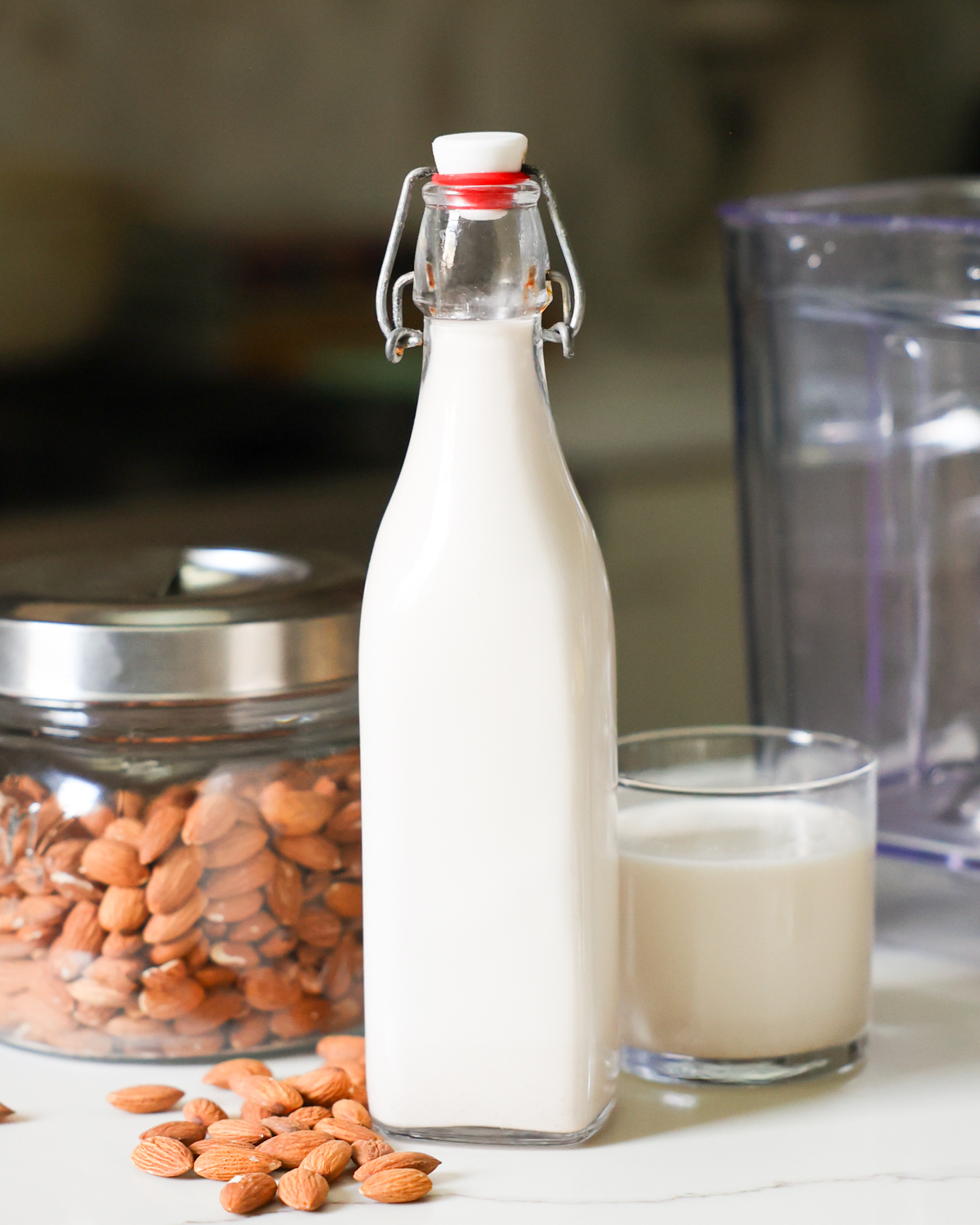
Unleash Your Inner Barista: The Art of Customizing Homemade Almond Milk
Imagine a tall glass of almond milk so rich, so creamy, and so perfectly flavored that it elevates your morning coffee or smoothie to an entirely new level. This isn't just any almond milk; it's *your* almond milk. While store-bought cartons offer convenience, they often fall short in delivering the vibrant, nutty aroma and truly luxurious mouthfeel that a freshly prepared batch provides. This comprehensive guide will walk you through an easy-to-follow almond milk recipe and, more excitingly, unlock a world of customization, allowing you to create flavors far beyond basic.
The journey to crafting your ideal almond milk begins with understanding its simple foundations and appreciating the profound difference between homemade and commercial varieties. Prepare to transform humble almonds and water into a versatile, delicious, and utterly personal dairy-free staple.
Homemade vs. Store-Bought: A Matter of Quality, Not Just Cost
One common misconception is that making your own almond milk will be significantly cheaper. While the cost difference isn't always vast – in fact, it can sometimes be comparable or even slightly more expensive upfront – the true value lies in the unparalleled quality. When you embark on an almond milk recipe at home, you gain absolute control over every single ingredient.
Store-bought almond milk, even organic varieties, often contain a list of added ingredients: emulsifiers like sunflower lecithin, thickeners such as gellan gum or carrageenan, natural flavors (which can be anything but natural), and various forms of added sugars. These are included to extend shelf life, prevent separation, and achieve a consistent texture, but they can detract from the pure, clean taste of almonds. With homemade almond milk, there are no preservatives, no unnecessary thickeners – just pure almonds and water, perhaps with a pinch of sea salt to enhance the flavor. This purity results in a superior, unadulterated taste and a naturally creamy texture that commercial brands simply cannot replicate.
For a deeper dive into this comparison, explore our article on Homemade vs. Store-Bought: The Truth About Almond Milk Quality.
The Foundation: Your Go-To Almond Milk Recipe
Crafting your own batch of almond milk is surprisingly straightforward, requiring minimal equipment and just a few simple steps. The magic begins the day before you plan to enjoy your fresh milk.
Essential Ingredients & Equipment:
- Almonds: Raw, unsalted almonds are key. One cup of almonds typically yields about 5 cups of rich, creamy milk. If you're looking to make a full gallon, you'll need approximately 2½ to 3½ cups of almonds, depending on your desired consistency.
- Filtered Water: The quality of your water significantly impacts the final taste.
- Sea Salt (Optional): A tiny pinch can enhance the nutty flavor.
- High-Speed Blender: Essential for thoroughly pulverizing the almonds.
- Nut Milk Bag, Cheesecloth, or Fine Mesh Strainer: For separating the pulp from the liquid. A dedicated nut milk bag is highly recommended for the smoothest results.
- Airtight Container: Such as a mason jar or glass bottle for storage.
The Simple Process:
- Soak: Place your almonds in a bowl and cover them with cool filtered water. Let them soak overnight, or for at least 8 hours. Soaking softens the almonds, making them easier to blend into a creamy liquid and improving their digestibility.
- Rinse & Drain: After soaking, drain the almonds and rinse them thoroughly under cold running water.
- Blend: Transfer the soaked almonds to your high-speed blender. Add 4-5 cups of fresh filtered water (adjusting for desired thickness) and a pinch of sea salt if using. This is also the opportune moment to introduce any flavorings you desire.
- Whirl Away: Blend on high speed for 1-2 minutes, until the mixture is completely milky and the almonds are finely pulverized.
- Strain: Place your nut milk bag or cheesecloth over a large bowl or pitcher. Pour the blended almond mixture into the bag. Gently squeeze the bag to extract all the liquid, leaving the almond pulp behind. Be patient; a thorough squeeze ensures maximum yield.
- Store: Pour your freshly made almond milk into an airtight container and refrigerate. It will stay fresh for 3-5 days.
This basic almond milk recipe is your canvas. Now, let's add some color!
Beyond Basic: Unleash a Symphony of Flavors
This is where the true fun begins. The beauty of homemade almond milk is the endless potential for customization. Forget the limited choices of sweetened or unsweetened – your culinary imagination is the only limit. Most flavorings can be added directly to the blender with the soaked almonds and fresh water, allowing them to fully infuse into the milk.
Sweeteners & Classic Enhancers:
- Dates: For a natural, caramel-like sweetness, pit 2-4 Medjool dates and add them to the blender. They also add a slight richness and fiber.
- Maple Syrup or Agave Nectar: Add 1-2 tablespoons (or to taste) for a smooth, liquid sweetness.
- Vanilla: A teaspoon of pure vanilla extract or a scraped vanilla bean (blend with almonds, then remove the bean before straining if desired) offers a comforting, aromatic note.
- Cinnamon or Nutmeg: A half teaspoon of ground cinnamon or a pinch of freshly grated nutmeg adds warmth, perfect for seasonal drinks.
Decadent & Indulgent Variations:
- Chocolate Almond Milk: Add 1-2 tablespoons of unsweetened cacao powder or cocoa powder to the blender. For a sweeter version, include a date or a dash of maple syrup. This makes an incredible base for hot chocolate or mocha lattes.
- Coffee Infusion: Incorporate 1-2 teaspoons of instant coffee or espresso powder for a delightful coffee-flavored almond milk, perfect for blending into iced coffees or protein shakes.
Spiced & Aromatic Creations:
- Pumpkin Spice: A blend of cinnamon, nutmeg, ginger, and cloves is ideal for autumn. Add 1-2 teaspoons of your favorite pumpkin spice mix to the blender.
- Cardamom: A unique, floral spice. Add ½ teaspoon of ground cardamom for an exotic twist, wonderful in teas or Indian-inspired desserts.
- Turmeric "Golden" Milk Base: For a health-boosting option, add ½ teaspoon ground turmeric, a pinch of black pepper (to aid absorption), and a tiny piece of fresh ginger to the blend. Sweeten with dates or maple syrup for a warming, anti-inflammatory beverage base.
Fruity & Floral Notes:
- Berry Infusion: For a subtle fruit flavor, add a handful of fresh or frozen berries (strawberries, raspberries) to the blender. Note that this might require a finer strain to remove seeds.
- Lavender or Rose Water: Use *very* sparingly (a few drops of food-grade extract or a tiny pinch of dried culinary petals) for a sophisticated, aromatic touch. Ideal for special occasions or unique cocktails.
Expert Tip: When experimenting with new flavors, start with smaller amounts. You can always add more during blending, but it's harder to subtract once mixed!
Nutritional Nuances: Understanding Almond Milk's Role
It's important to clarify that drinking almond milk is not nutritionally equivalent to eating whole almonds. While homemade almond milk retains some of the healthy fats and vitamin E present in almonds, the concentration of nutrients is significantly lower. Think of it like comparing eating an apple to drinking apple juice – both are derived from apples, but the fiber, protein, and overall nutrient density differ considerably. Homemade almond milk is a fantastic dairy-free alternative, a versatile ingredient in recipes, and a delicious beverage, particularly for those managing lactose intolerance or seeking plant-based options. It’s light, refreshing, and an excellent base for various culinary creations.
Practical Applications & Storage Tips
Your custom-flavored almond milk isn't just for drinking straight. Its versatility makes it a star ingredient in countless dishes:
- Elevate Your Morning Brew: Transform your coffee or tea with a splash of vanilla, cinnamon, or even chocolate almond milk.
- Smoothie Power-Up: The perfect liquid base for any smoothie, allowing you to tailor its flavor profile.
- Overnight Oats & Cereals: Infuse your breakfast with unique flavors from the start.
- Baking & Cooking: Use unsweetened or lightly sweetened versions in pancakes, muffins, quick breads, or even creamy soups and sauces.
- Desserts: A vanilla or chocolate almond milk can be a fantastic base for puddings or dairy-free ice cream.
Storage: Always store your homemade almond milk in an airtight container in the refrigerator. Due to the lack of preservatives, it typically lasts for 3-5 days. If you notice any sour smell or unusual texture, it's best to discard it. A natural separation of the liquid and sediment may occur; simply give it a good shake before each use.
Conclusion: Your Kitchen, Your Creation
Making your own almond milk, and especially customizing it, is a profoundly satisfying culinary experience. It's a simple process that yields a product far superior in taste, texture, and purity to anything you'll find on a store shelf. By embracing this easy almond milk recipe, you're not just making a beverage; you're crafting a personalized pantry staple that reflects your unique tastes and preferences. So grab your blender, select your favorite flavors, and embark on a delicious journey of creamy, customized almond milk bliss!
